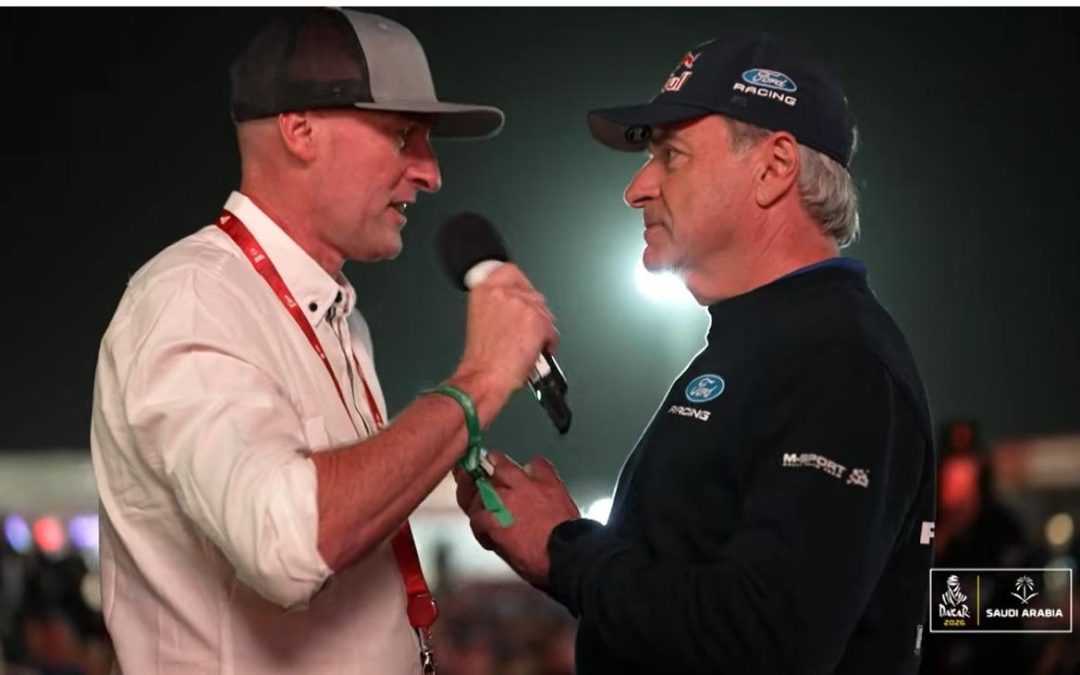
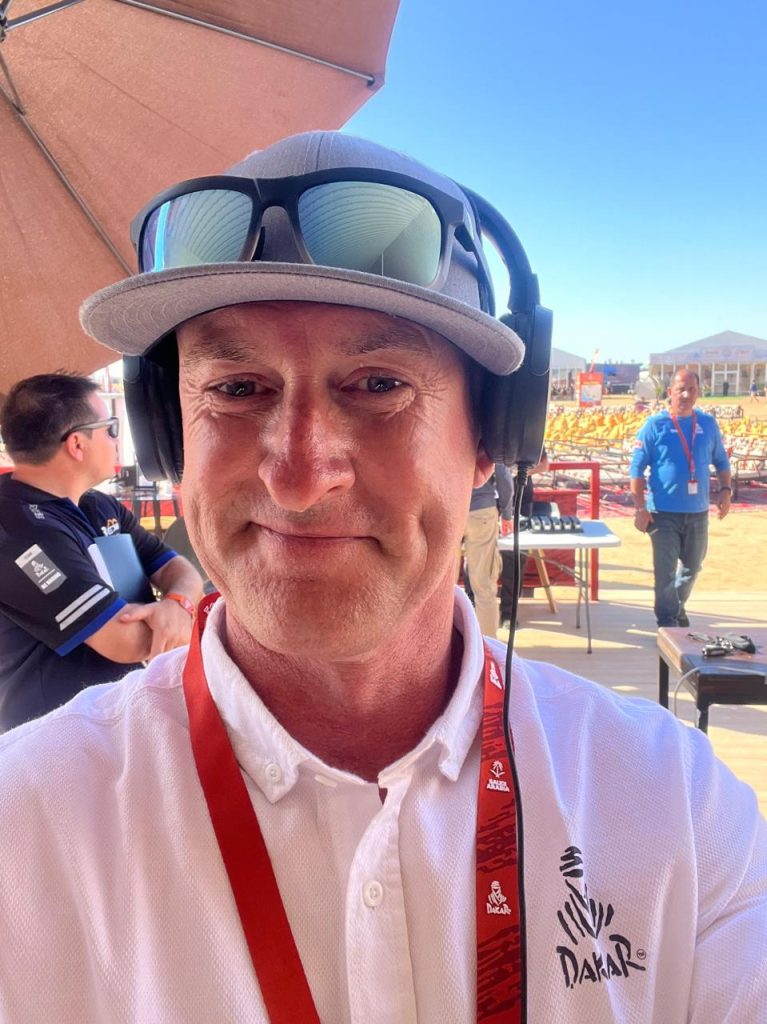
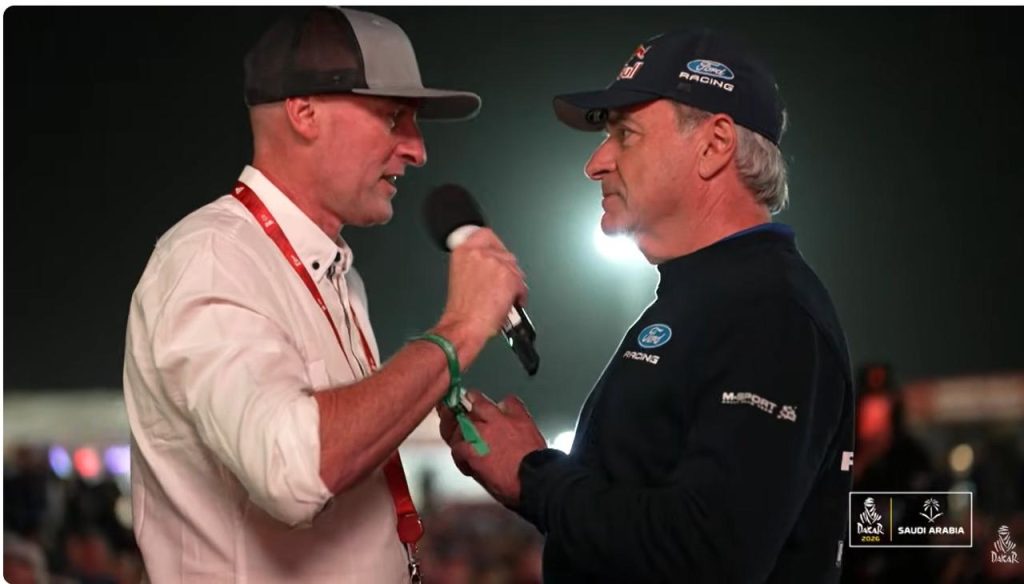
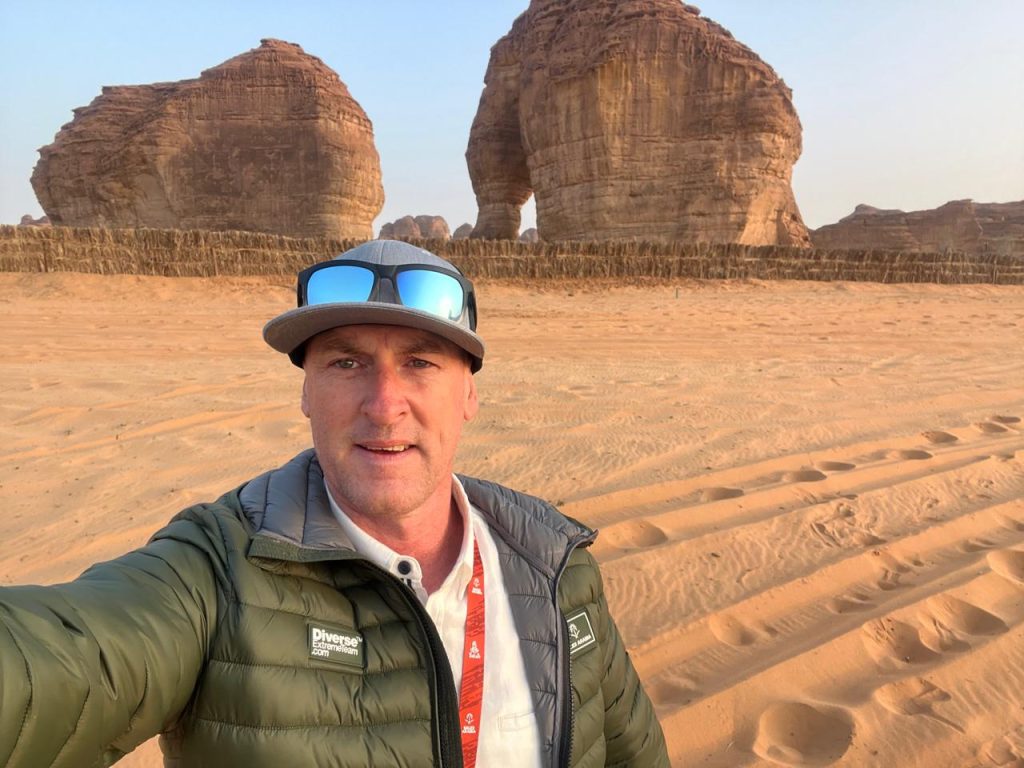
Matt Smith has long been recognised as the voice of South African Rally Raid – but in January 2026, that voice echoed across the world’s biggest motorsport stage.
Fresh from the Dakar Rally, where he was invited by ASO (Amaury Sport Organisation) to join the global broadcast team, Smith reflects on a journey that began locally and culminated in one of the most demanding, emotional and prestigious assignments in international motorsport.
For Smith, the call to Dakar came not through chance, but through years of groundwork and a defining moment at the South African Safari Rally, the third round of the World Rally-Raid Championship (W2RC).
“By the final day, one of the senior ASO officials put his hand on my shoulder and said, ‘We need to speak after this.’ I genuinely thought I’d done something wrong,” Smith recalls. “Instead, he told me I’d done a good job and asked if I’d consider doing Dakar. I said yes immediately… and if I’m honest, I probably burst into tears.”
Nothing prepares you for Dakar
While Smith’s experience in South African Rally Raid prepared him for the technical and production demands of the role, nothing fully equips you for the scale of Dakar.
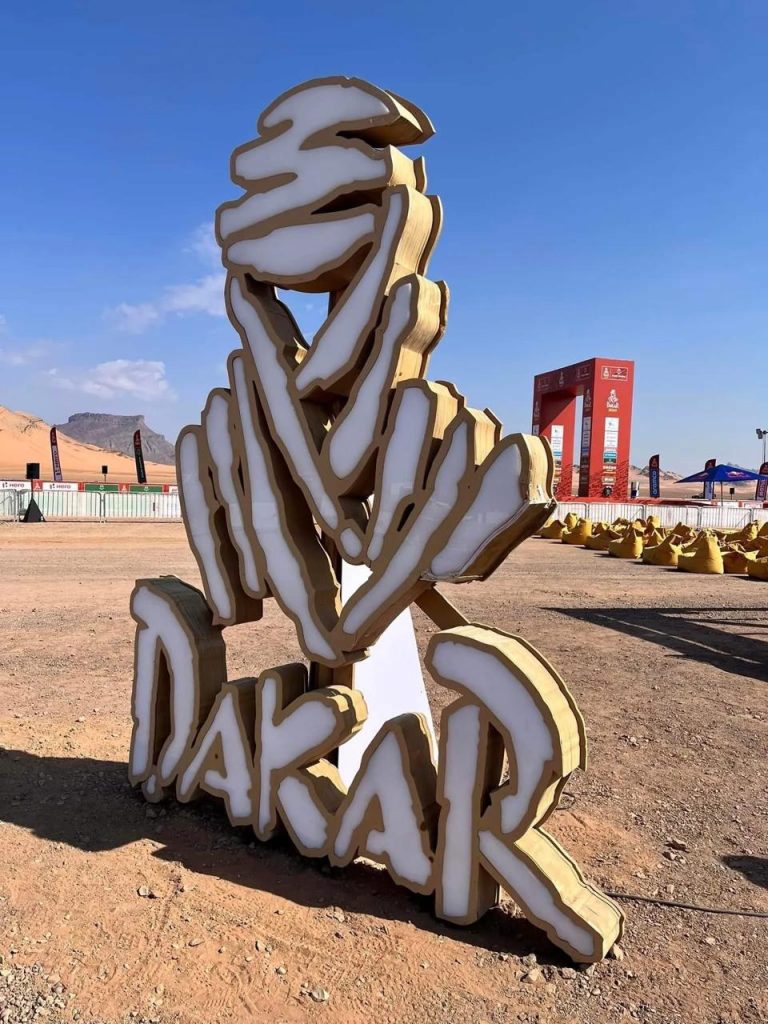
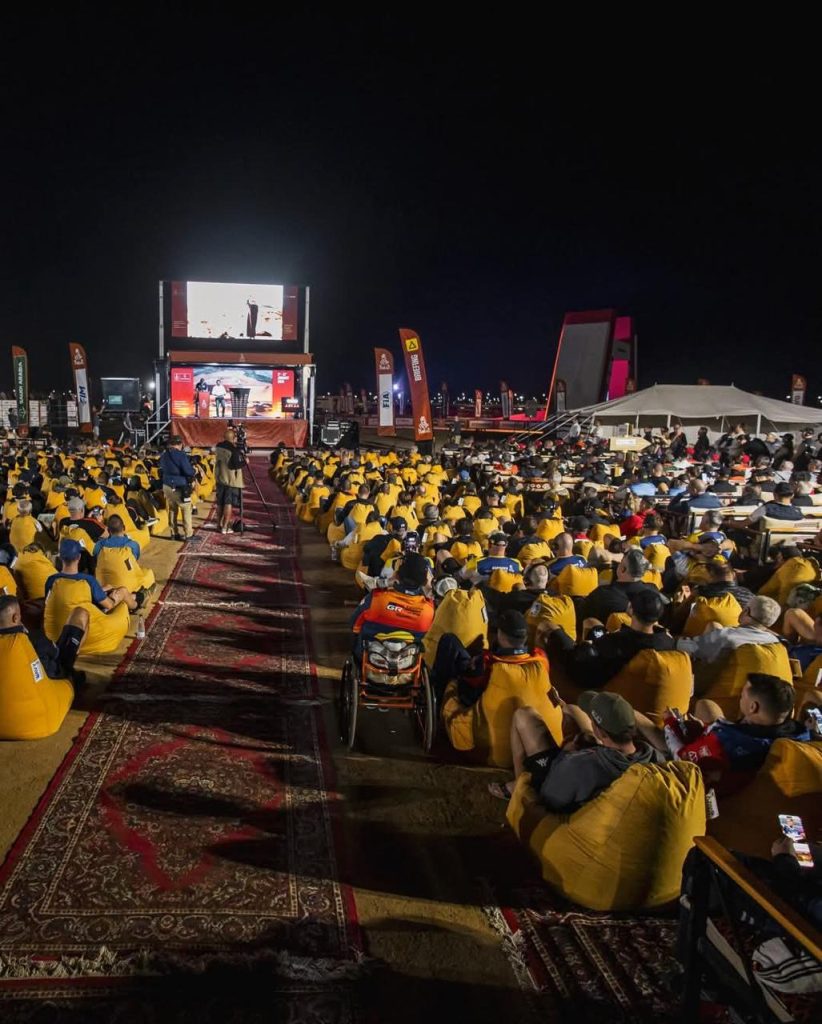
“The bivouac is a city – about 3,000 people, stretching roughly three kilometres long. You pack it up, move it, and rebuild it every few days. We did that five or six times over three weeks. It becomes a moving circus,” he says.
Each day began before sunrise and often ended well after dark. Smith worked across live television, daily stage shows, social media wrap-ups, podium hosting and broadcast production, while operating in extreme heat, constant travel and relentless pressure.
“You’re not allowed to show that you’re tired. You’re away from home, away from routines, away from family and you still have to deliver energy, accuracy and clarity on live television every single day.”
The art and pressure of being ‘the voice’
Being the voice of Dakar is not just about delivery. It is about preparation, neutrality and storytelling under pressure.
“I always say I’m Switzerland,” Smith explains. “I can have favourites in my heart, but not on the job. When a pre-race favourite falls out, the entire narrative changes and you have to recalibrate instantly.”
Preparation, he says, is everything.
“My process is research. Pronunciations, backgrounds, vehicles, new technology – I don’t want to get it wrong. Confidence comes from preparation, and energy comes from confidence.”
That preparation was tested on the final day of Dakar, when the 8,000-kilometre rally came down to an almost unthinkable margin. “After three weeks of racing, it was decided by two seconds. Two seconds.
It was the closest victory – and the closest loss – in Dakar history.
Standing on that stage, seeing elation on one side and absolute devastation on the other, was one of the hardest moments I’ve ever had behind the mic.”
South African stories on a global platform
For Smith, one of the most meaningful aspects of Dakar was representing South African motorsport beyond the cockpit.
“South Africa produces drivers, navigators and teams, but also engineers, technicians, officials and media professionals. Dakar showed that our expertise travels.”
South Africa’s footprint at Dakar continues to grow, with approximately 30% of cars entered developed and manufactured locally, and a strong contingent of South African crews competing across categories.
“Our vehicles are tested and developed in the South African Rally Raid Championship. That’s why they’re so competitive internationally and why global teams are paying attention.”
Recognition that opens doors
Smith’s selection by ASO sends a powerful message – that Dakar is open to global voices and diverse expertise.
“ASO is a French-driven organisation, so it surprised me that they wanted a slightly odd-sounding, somewhere-between-English-and-South-African guy on the mic,” he laughs. “But timing matters. I was doing the right job, in front of the right people, at the right time.”
After 20 years in motorsport media, Dakar marked a career milestone. “I honestly feel like I’m working at my peak now. Dakar 2026 was life-changing.”
Lessons, comedown —-and looking forward
Returning home brought its own challenges.
“There’s a Dakar fallout people warn you about – you get sick, you feel flat, you have strange emotional moments. They were right.”
But Smith is already focused on what comes next – including bringing global insights back to South African Rally Raid and supporting the growth of the local championship which will kick off in May this year.
“If what I’ve learned helps our championship grow and improve, that’s a win for everyone.”
A message to young South Africans
Smith is clear: motorsport is bigger than driving.
“Not everyone can be Giniel de Villiers or Ross Branch – that’s less than one percent. But there are hundreds of roles in motorsport from media, to engineering, logistics, and production. Dakar alone had 60 to 70 South African engineers working behind the scenes.”
One sentence on Dakar?
“Life-changing.”
For Matt Smith and for South African Rally Raid Dakar 2026 marked not just an arrival, but a statement: South African voices belong on the world stage.
Published by: Cathy Findley PR
Motorsport South Africa (MSA) publishes media releases from a variety of sources on its website as a service to the sport. Due to the volume of content, it is not feasible to review or approve every release prior to publication. Some news items and articles are written by independent correspondents and may not necessarily reflect the official views or positions of MSA.